
How to Season Salmon Properly (And Why Most People Overdo It)
Salmon is one of the most forgiving proteins you can cook and one of the easiest to ruin with seasoning.
Most mistakes don’t come from overcooking.
They come from trying too hard.
Too much salt.
Too many spices.
Too much garlic that burns instead of blooming.
When salmon tastes harsh, muddy, or bitter, the issue isn’t the fish. It’s the seasoning strategy.
Why Salmon Needs Less Than You Think
Salmon is naturally rich and fatty. That fat carries flavor and amplifies aroma without needing a heavy hand.
When salmon is overseasoned, three things happen:
-
Salt overwhelms instead of enhancing
-
Garlic and spices burn before the fish finishes cooking
-
The seasoning masks the fish rather than supporting it
Good salmon seasoning isn’t about coverage.
It’s about clarity.


The Biggest Salmon Seasoning Mistake
The most common mistake is using fine, aggressive seasoning blends designed for red meat.
These blends dissolve instantly, release garlic too fast, and turn bitter under heat.
Salmon benefits from structure.
It needs seasoning that opens gradually and works with fat, not against it.
The Right Way to Season Salmon
Start with the right salt
A coarse, flaky salt melts slowly as the fish cooks, creating even seasoning without sharp salinity spikes. Aromatics should be present, not dominant.
Season just before cooking
Salmon does not need a long pre-salt. Seasoning right before cooking keeps the surface dry and the flesh tender.
Use restraint
The fish should still be visible. A light, even sprinkle is enough.


Why Garlic Is Tricky on Fish
Garlic burns quickly, especially when finely ground. That’s why many garlic-seasoned fish dishes taste sharp or bitter.
Garlic works on salmon when it is properly dried, not overly fine, and balanced with salt so it releases aroma slowly instead of scorching.
A Simple, Reliable Method
-
Pat salmon dry
-
Lightly coat with oil or butter
-
Season evenly on the flesh side
-
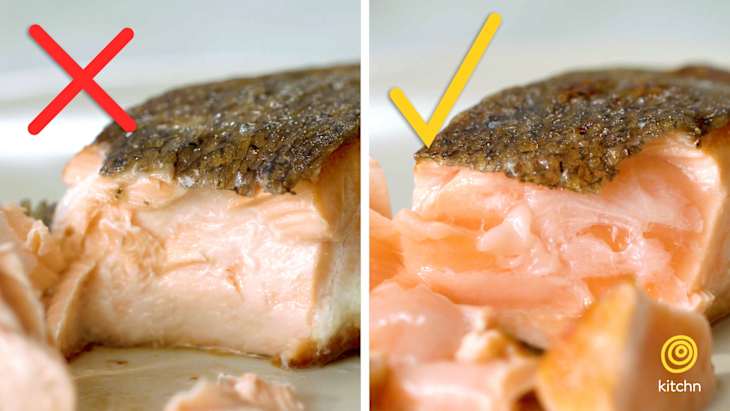
Cook until just opaque and flaky
Lemon is optional. The fish should already taste complete.

The Goal: Taste the Salmon
Great seasoning doesn’t announce itself.
It makes the main ingredient taste more like itself.
Clean.
Savory.
Balanced.
When the salmon tastes like salmon, the seasoning has done its job.
Final Thought
Salmon doesn’t need a spice rack.
It needs intentional salt.
When seasoning supports the fish instead of competing with it, dinner feels effortless and complete.